

Here at Montes Medical Group, we are passionate about supporting healthy child development amongst our patient population. As children grow into young adults it is important to give them a strong start in life by ensuring they have everything they need to prosper for years to come. In fact, the way parents and caregivers nurture and support children in their early years is among the most decisive factors behind healthy growth, with lifelong benefits for health, productivity and socialization.
Proper development for children means that they are more likely to reach their milestones at the appropriate times. Doing so can help prevent diseases and make it easier to stay connected with their peer groups. On the other hand, delays in cognitive or physical development can lead to unwanted difficulties in school and in mobility levels.
So how exactly do adults support the development of a child? Keep reading to learn more about great ways to ensure your child is developing healthily!
Provide Supportive & Responsive Relationships

Although parenting looks different for every family, there are some techniques that work particularly well for healthy child development. One of the most important ways adults can help children develop is by building responsive relationships with them. These relationships promote healthy brain development and serve as the foundation for additional brain growth in childhood.
Supportive and responsive relationships also help children build resilience, regulate emotions, and develop the strength to overcome serious hardships in life.
So take the time to actively listen to your children and respond to them accordingly. Talk to them often and respond in warm, predictable, and sensitive ways. Provide them with emotional support and make sure they know that you will be by their side as they continue to grow and thrive.
Book Regular Medical CheckUps
As children grow, it is important to get them quality healthcare on a consistent basis. Taking them for regular check-ups can make it easy to monitor their height, weight, hearing and vision. Doctors and pediatricians can evaluate motor skills, growth, cognitive development, and help children reach their milestones. Children can also receive important immunizations to protect them against serious illnesses such as polio and measles. These visits are even more important for children with existing medical conditions or a history of family health concerns that may impact the child.
Establish Healthy Routines

In addition to responsive and supportive relationships, children do very well when healthy routines are established. Parents and caregivers can focus on key areas such as nutrition, physical activity, and sleep. For example, offering children healthy meals at regular times can increase their sense of safety and reduce stress levels. Providing time to get outside or be physically active indoors encourages muscle and bone growth needed for healthy child development. Finally, a high quality sleep routine is critical for children as they grow throughout childhood.
Create Learning Opportunities
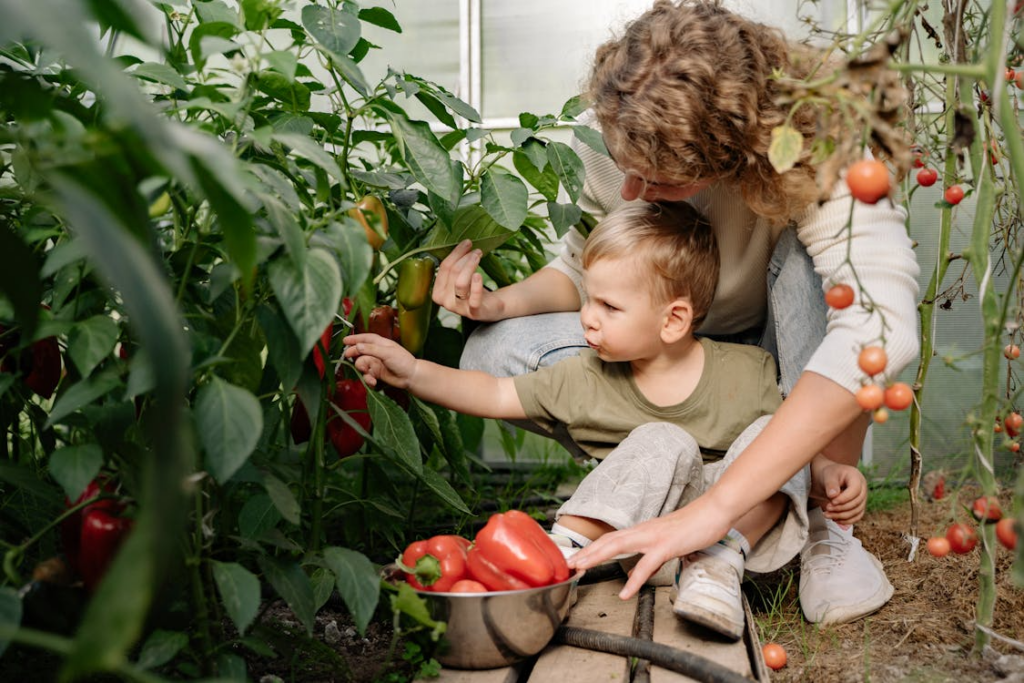
Children love to learn and can do so in many different ways. Encourage their love of learning by giving them plenty of different opportunities to do so. For homework, make sure they have the time and space needed to complete their assignments on a regular basis. Help them read new books that interest them and take them to the library often. Children can also learn in new and different environments so take them to new places that open up their world.
Play time can be one of the best ways for children to learn and can be done in imaginative, instructured, and social ways. Playdates help children develop critical social skills and problem-solve challenging situations. Support them in their learning journeys and make sure to answer the many questions they’re sure to have for you!
Conclusion
As you can see, there are so many great ways to ensure healthy child development for your little ones. Make sure to get them regular, quality medical care to ensure they are hitting key milestones and in good health. Provide them with your support by talking to them regularly and showing that you care about their well-being. Establish healthy routines and habits that make it easier for them to grow into happy, strong, and healthy young adults in the future. And finally, give them lots of great learning opportunities to help them explore the world and grow into confident and well-rounded individuals!