
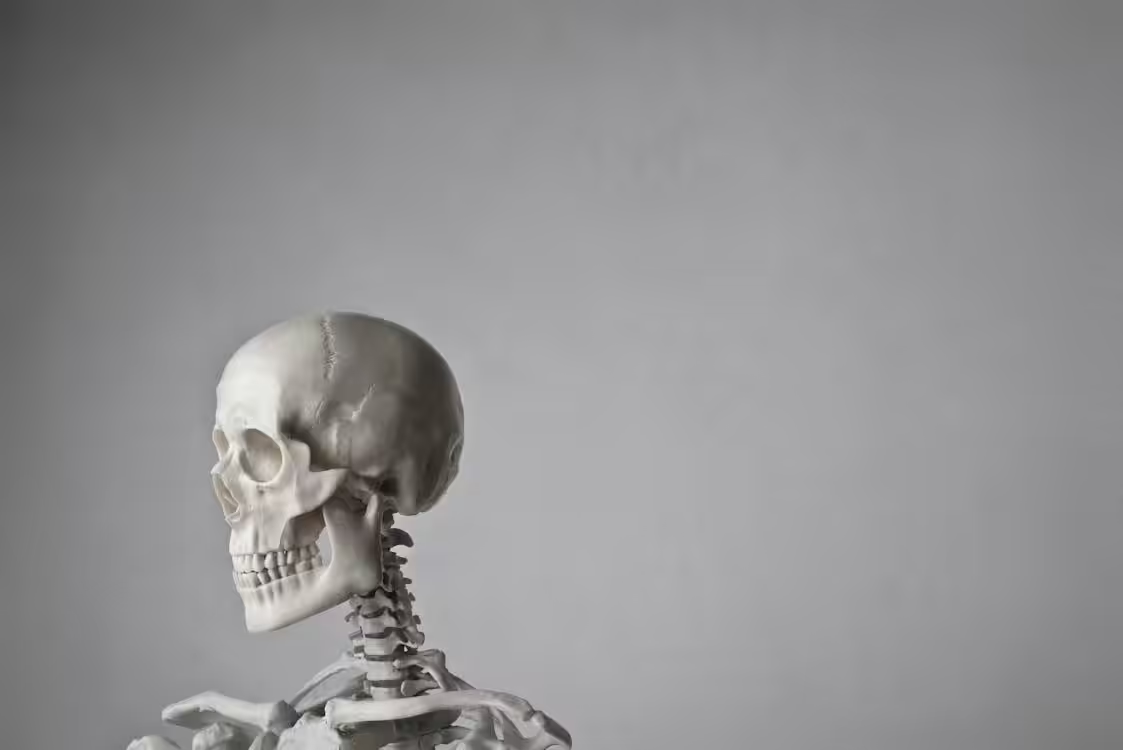
While many of us try to prioritize our health and well-being, it is quite common to forget about our bone health. Our bones are central to our overall wellness and need support to stay strong over time. In fact, without the necessary care, our bones can lose a significant amount of bone density and become thin and fragile. This is also known as a condition called osteoporosis, and can lead to an increased risk of fracture.
Osteoporosis often impacts the bones in our wrists, hips, and spine. Aging is usually the biggest factor that makes this condition worse, and women past menopause are more likely than most to experience it. Fortunately, there are ways to improve our bone health and reduce the risk of developing osteoporosis. Keep reading to learn more!
Discuss Options with Your Doctor
Here at Montes Medical Group, we help our patients maintain proper bone density and avoid injury, especially if they may have osteoporosis. It is important to discuss options for supporting bone health with your provider and get a proper diagnosis if you suspect you may have osteoporosis already. This is especially important for older adults, people going through early menopause, or those with a strong family history of osteoporosis.
Getting the right screenings can help providers build a proper prevention plan customized for your needs. A diagnosis may require testing and x-rays with the proper technology needed to identify osteoporosis. Once identified, your doctor can explore management options including the use of supplements, vitamins, and dietary changes to ensure that your bones retain their strength. We can also offer lifestyle guidance to help you avoid future bone injuries.
Prioritize Bone Building Activities

Did you know that our bones respond to healthy stress? When we use our muscles we also stimulate our bones to rebuild stronger. Thankfully, there are plenty of exercises and activities that can help us build strong bones. Weight bearing exercises are ideal for this and include things like walking, hiking, dancing, and jogging. Resistance training is also very beneficial for bone health and can be done by lifting weights, using resistance bands, or even by performing body-weight exercises.
If you’re new to these activities, start by building these habits slowly. Sprinkle in some weight bearing and resistance training activities into your week on the most convenient days and times. People with existing bone concerns or conditions should check with their doctor or physical therapist first to ensure they are practicing safe exercises for their bodies.
Nourish Your Bones with Nutrients

In addition to movement, the foods we eat can also help us strengthen our bones. To do so, it’s important to focus on foods that are rich in calcium such as dairy and leafy greens. Vitamin D can also be helpful for calcium absorption and is found in foods such as fatty fish, fortified cereals, and whole grains.
Here are some sample foods to focus on for bone health:
- Yogurt, cheese, milk
- Tofu
- Edamame
- Quinoa
- Kale
- Walnuts
- Blueberries
- Salmon
- Almonds
- Oats
- Oranges
Protect Your Bones with Muscles

While we are building strong bones it is also important to protect them from damage and breakage. A great way to protect our bones is to cover them with healthy and strong muscles. Well built muscles are wonderful for bone protection and can protect our joints, improve balance, and reduce the risk of falls.
When exercising for muscle growth, focus on key muscle groups such as the thighs and hips, glutes, core, and upper back muscles. It is also important to eat enough lean proteins to fuel your muscles with the nutrients they need to grow. Proteins such as salmon, tofu, and edamame can provide you with a well-rounded dose of nutrients needed for both bone health and protection.
Conclusion
In conclusion, there are many great ways to improve bone health & reduce osteoporosis risk. Check in with your doctor to discuss ways to keep your bones strong and check for any signs of weakening. Support your bones with lots of movement, healthy foods, and strong muscles that protect them from fractures and falls. Doing so will keep your body strong for years to come and prevent many unwanted health problems from developing!