Here at Montes Medical Group, we’re passionate about helping our elderly patients reach optimal health. With a focus on geriatric care, our team is knowledgeable about the health concerns that come with an aging population, such as cardiovascular issues, bone and joint problems, and mental health concerns. Fortunately, many diseases and conditions that were considered fatal in the past are now being addressed through medical advances, leading to better survival rates.
With life expectancy rates rising across the country, it is important for family members to be involved with the care of their elders. Our doctors take this into consideration when developing care solutions for each of our patients. We carefully evaluate each of our elderly patients and work to identify and treat the diseases they may be struggling with. By doing so, patients can look forward to improvements in their quality of life and potential enhancement of their longevity.
What is Geriatric Care?
Geriatric care focuses on the medical, emotional, and social needs of elderly individuals. There is a strong focus on people over the age of 75 as they are usually the ones experiencing age-related health challenges such as chronic illness, cognitive issues, and frailty. Care typically begins when people start to face issues in their daily lives and need help with treatment or management techniques.
From managing chronic illnesses to supporting emotional health, geriatric care plays a significant role in helping seniors live healthier and more fulfilling lives. This is possible thanks to a focus on multiple aspects of aging, such as:
- Mobility & safety
- Social support
- Medication management
- Nutrition
- Preventive healthcare
Benefits of Geriatric Care

One of the most beneficial aspects of geriatric care is the customized treatment approach it affords each individual. Everyone gets their medical history reviewed and plans created based on their unique lifestyles, health conditions, and mobility levels. This is especially important for elderly patients with chronic conditions such as hypertension, diabetes, or heart disease. Geriatric care can help monitor symptoms, tailor medication needs, and reduce unwanted complications over time. Taking medications can be tricky for older adults, and careful reviews from providers can prevent unnecessary prescriptions and improve patient safety.
Geriatric care can also evaluate mental health levels and cognitive decline. Providers will analyze patients for loneliness, depression, and anxiety, while providing ideas to stay socially engaged and emotionally well. They can also educate family members by providing resources and guidance needed for caregiving, to make it easier for everyone to make informed healthcare decisions and reduce stress levels.
Important Health Tips for Geriatric Patients

For elderly patients receiving geriatric care, it is important to prioritize health and well-being in every aspect of life. This includes taking care of the mind, body, and living environments. For home life, installing safety modifications around the home can be a great way to reduce injury risk at home and prevent falls. This may look like installing grab bars in the bathroom, improving lighting, and using mobility aids as needed.
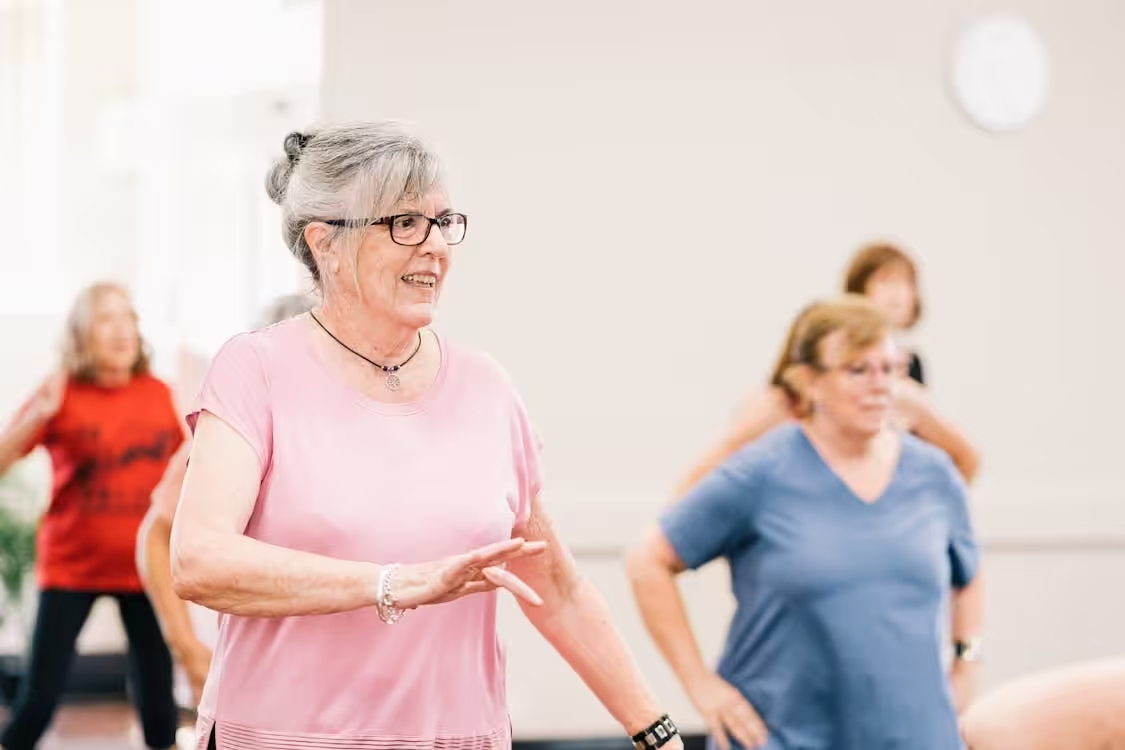
For physical health, it is important that seniors continue to stay active in safe ways that improve their mobility levels and reduce their risks of developing chronic illnesses. Providers can advise on exercises that serve to improve strength, flexibility, and balance in the long-run. This may include:
- Nature walks
- Swim classes
- Stretching
- Light strength training

It is also critically important for seniors to stay mentally well and connected to people around them. Doing so can prevent loneliness and make it easier for the brain to stay sharp and alert. Hobbies such as reading, doing puzzles, and gardening are all great ways to boost cognitive function. Participating in community groups and regularly engaging with friends and family is also critical for seniors looking to avoid depression and stress.
In case health does start to decline, it is important for seniors and their caregivers to notice what that may look like. Some warning signs may include:
- Frequently falling
- Difficulty managing daily life
- Forgetting things often
- Weight loss
- Mood swings
Always monitor health changes and reach out to healthcare providers as needed to get support quickly.
Conclusion

As you can see, geriatric care is critical for helping seniors with their health, independence, and quality of life. Taking the initiative to get proper support is one of the best ways to prevent unwanted health problems later in life. Fortunately, great providers can make it easier for the elderly to understand how to implement preventive care techniques, manage chronic illnesses, and establish healthy lifestyle habits. To make an appointment for geriatric care with our team, contact us today!